

The Ultimate Guide to Experiencing Flowers in Berlin
Introduction
Imagine strolling through Berlin’s hidden gardens and vibrant street markets, where blooms burst forth in unexpected pockets of the city—each petal telling a story of culture, history, and urban creativity. In a time when urban green spaces and floral expressions are increasingly valued, an exploration of “flowers berlin” unveils not only botanical beauty but insight into local commerce, consumer behavior, and evolving trends.
The urban bloom in metropolitan culture
Within Germany’s broader ornamental horticulture sector, the cut flower market alone reached approximately €3 billion in 2023, even as overall demand faced slight declines amid shifting economic and weather conditions according to AIPH/Agrarmarkt Informations‑Gesellschaft data AIPH report. While that figure covers the entire nation, Berlin—with over 800 florists representing around 3.7% of Germany’s total florists—serves as both a key demand center and a creative hub PoiData listing.
Emerging local events and opportunities
The city also hosts notable floral events, such as the Berlin Perennial Plant Market held in the Botanical Garden. In September 2025, this event featured over 80 exhibitors showcasing native perennials and garden design insights focused on biodiversity and sustainability Berlin Perennial Market details. Such attractions not only promote ecological awareness but also illustrate how Berliners integrate floral culture into urban leisure and lifestyle.
By weaving together economic context, vibrant direct-to-consumer events, and the nuanced dynamics of demand in Berlin, this introduction lays the groundwork for a comprehensive exploration of floral commerce, cultural trends, and strategic opportunities specific to Berlin. The upcoming sections will build on this foundation, offering actionable insights for florists, urban gardeners, and content creators alike.
Urban Floriculture and Retail Dynamics in Berlin
Continuing from the broader landscape of floral commerce in Berlin, we now turn attention to the interplay between urban production models and consumer-facing retail trends. This section explores how Berlin’s unique cultural fabric drives both the rise of experimental floriculture and the evolving preferences within retail settings.
Peri‑Urban Cultivation and Sustainable Innovation
While Berlin may not be a major producer of cut flowers, its surrounding areas are fertile ground for innovative urban and peri-urban floriculture. Progressive initiatives include rooftop gardens, vertical farming, and community-supported agriculture (CSA)-style flower subscriptions, enabling small growers to supply locally-grown “Berliner Blumen” directly to consumers. These models often blend cultivation with educational workshops or farm-to-vase experiences, enhancing both revenue and community engagement sunny-florist.com.
Such operations particularly resonate with Berlin’s eco-conscious and design-savvy demographic. Florists and growers leverage these channels to offer regionally sourced, sustainable arrangements—appealing through authenticity and locality, especially amid broader market volatility sunny-florist.com.
Retail Competition and Strategic Market Window
Berlin stands out nationally for florist opportunity, scoring 80 out of 100 based on market size, income, and pedestrian traffic. With over 6 million metro residents and an average household income around $42,000, the city offers promising ground for floral ventures—but only if they capitalize on visibility. Street-level shops with strong signage and storefront presence notably outperform tucked-away locations marketlyzer.ai.
Competition is intense, yet this high-stakes environment also favors those who act decisively. Data indicates that florists establishing themselves within the next 8–12 months in emerging neighborhoods can secure a foothold ahead of saturation. Smart execution includes investing 6–8% of revenue in digital marketing to convert online interest into foot traffic marketlyzer.ai.
Consumer Inertia Amid Economic Uncertainty
Despite innovative displays and urban agriculture, Berlin’s floral market reflects broader national trends of cautious consumer spending. In 2025, Germany’s per capita spend on cut flowers dipped to under €36, contributing to a total market contraction to approximately €8.5 billion—continuing a post-pandemic drag on demand floraldaily.com.
To counter this hesitancy, florists in Berlin can reinforce value through strategic bundling (e.g., pairing small bouquets with seasonal plants) or loyalty programs. Framing products as affordable luxuries—whether through limited-run local blooms or floristry events—can help re-engage a cautious consumer base.
Actionable Insights for Stakeholders
- Florists and urban growers should collaborate—hosting flower workshops or subscription models to build both revenue and local brand trust.
- Retailers must prioritize high-foot-traffic, visible locations and integrate online campaigns to translate digital impressions into store visits.
- Given economic headwinds, emphasize value and regional authenticity. Showcase local, seasonal arrangements with narrative-backed pricing to resonate with budget-conscious yet quality-seeking customers.
By balancing sustainable production, strategic visibility, and consumer-centric value propositions, stakeholders in Berlin’s floriculture ecosystem can navigate ongoing economic pressures while positioning for renewed growth.
Floral Festivals and Events in Berlin
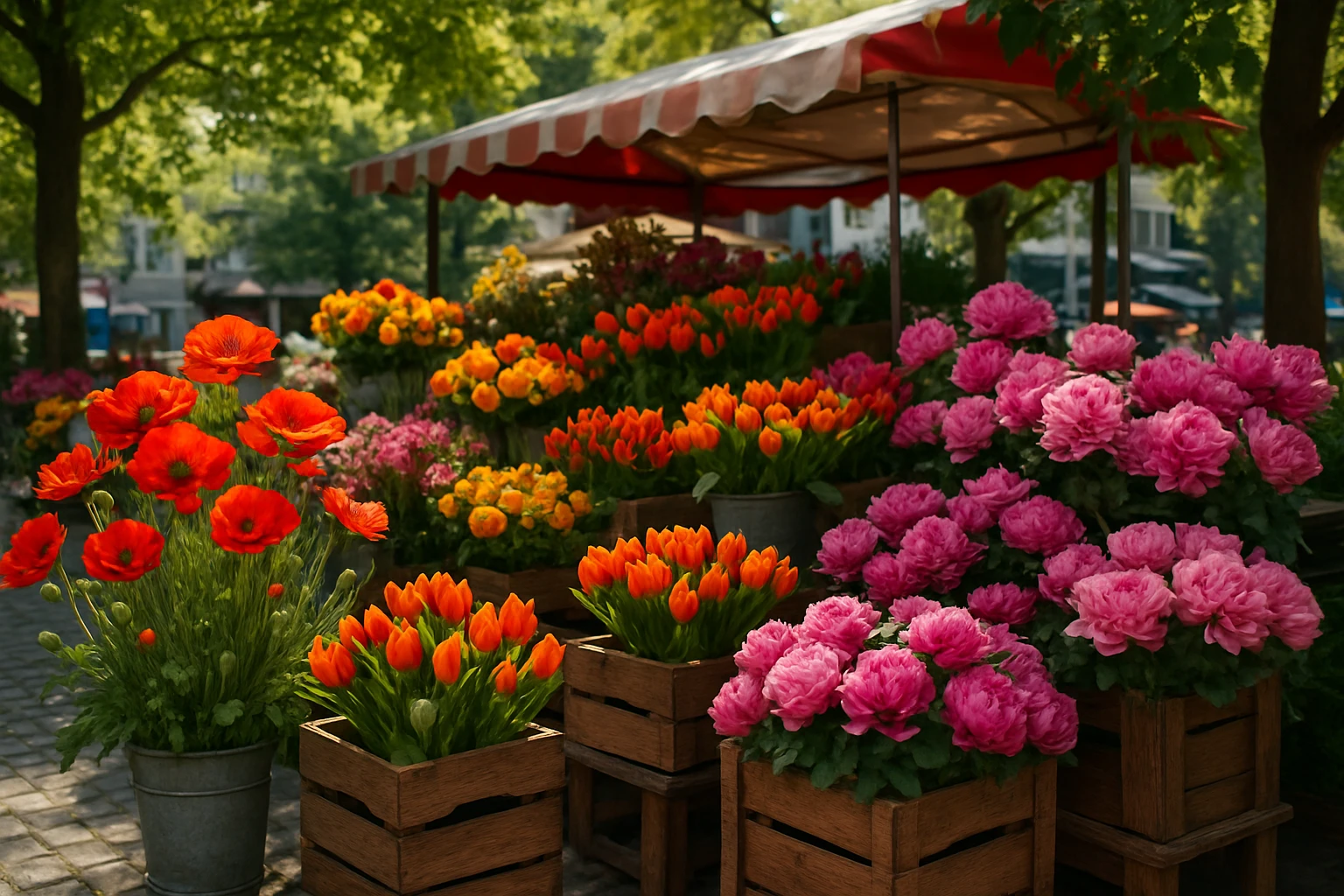
Berlin, a city imbued with rich cultural and historical tapestry, also holds a vibrant connection to nature, manifesting through numerous floral festivals and events. These gatherings not only celebrate the diversity of flowers in Berlin but also bring the community together, showcasing an infusion of colors and fragrances.
The Berlin Flower Show
One of the most anticipated events is the annual Berlin Flower Show. This event attracts thousands of visitors and features a stunning display of local and exotic flowers. Experts and horticulturists from around the world contribute to the vibrant tapestry of displays, each more spectacular than the last. According to Visit Berlin, this event has grown significantly, playing a crucial role in promoting biodiversity and conservation efforts, providing visitors with an opportunity to interact with experts and learn about sustainable gardening practices.
Spring Classics at the Botanical Garden
Another significant event is the Spring Classics held at the Berlin Botanical Garden. This event offers an enchanting exploration of spring blooms, marking the arrival of the season with a burst of life and color. Visitors can wander through expertly curated gardens, enjoying the sight and scent of tulips, daffodils, and cherry blossoms. This serves as an excellent opportunity for families and plant enthusiasts to immerse themselves in nature's beauty and participate in workshops aimed at fostering gardening skills.
Leveraging Digital Platforms for Flower Enthusiasts
For those looking to deepen their connection with flowers and gardening in Berlin, digital platforms play a critical role. Many flower enthusiasts and professionals use platforms like Suddenly Flowers to stay informed and inspired. These platforms provide insights into upcoming events, expert tips, and innovative ways to cultivate florals in urban settings. By connecting with a wider community, individuals can exchange ideas and share their love for flowers.
In conclusion, Berlin's floral events not only celebrate the vibrant diversity of flora but also foster a sense of community among residents and visitors alike. These events emphasize the importance of sustainable practices and offer countless opportunities for enthusiasts to engage and learn. With the aid of digital resources, the allure of flowers in Berlin extends beyond physical events, creating a lasting impact on the local and global community.
Urban Greening Initiatives Enhancing Flower Culture
As the previous section highlighted the communal and digital reach of Berlin’s floral scene, it's essential to explore how urban greening strategies are enriching both biodiversity and local communities through thoughtful design and participation. These initiatives showcase how flowers subtly weave into the city's sustainable urban fabric.
Community Gardens: Cultivating Unity and Sustainability
Across Berlin, community gardens transform neglected plots into vibrant ecosystems where aromatic herbs, produce, and flowers flourish side by side. Gardens such as Rosa Rose, Himmelbeet, and Prinzessinnengarten not only beautify neighborhoods but also foster social integration, knowledge sharing, and climate resilience berlin.de. These communal spaces invite neighbors to learn planting techniques, exchange seeds, and cultivate a shared sense of belonging and ecological stewardship.
Green Roofs and Urban Biodiversity
Berlin’s promotion of green roofs and rooftop gardens exemplifies smart urban greening. Through the GründachPLUS subsidy scheme, the city encourages roof vegetation that supports both biodiversity and climate control. Low-maintenance extensive green roofs—often adorned with succulents, herbs, and flowering plants—and more elaborate rooftop gardens contribute to cooler urban microclimates, stormwater absorption, and habitats for insects, including over 50 species of wild and honey bees berlin.de. These green oases offer residents and visitors alike a refreshing escape, while subtly supporting the thriving presence of flowers berlin thrives upon.
Wildflower Meadows: Nature’s Artistic Touch
Berlin has embraced the wildflower meadow movement, planting over 50 meadows across the city to revive biodiversity and support pollinators. These meadows, featuring vibrant species like cornflowers and poppies, have transformed urban spaces—such as the Kreuzberg Baerwaldstraße site—into living artworks that foster ecological awareness and delight residents with seasonal floral displays theguardian.com. Beyond aesthetics, these meadows serve as vital refuges for endangered insects, reinforcing the value of allowing nature to reclaim urban niches.
Embedding Harmony Between Infrastructure and Nature
Incorporating flowers into Berlin’s built environment, from rooftop gardens to wild meadows, the city demonstrates a harmonious balance between infrastructure and nature. These living installations—whether on rooftops, in defunct lots, or beneath traffic signals turned floral art—work as practical, beautiful interventions that capture attention while providing ecological services: cooling, air filtration, water retention, and support for pollinators. Each initiative offers actionable insights: community garden participation, applying for rooftop greening funding, or advocating for wildflower plots in shared public spaces.
Overall, Berlin’s urban greening programs inspire residents, planners, and visitors to rethink how flowers and green infrastructure can shape a more sustainable, connected, and visually enriching cityscape. Such efforts reverberate beyond local aesthetics—they nurture a living ecosystem that confidently reflects the dynamic spirit of flowers berlin continuously embodies.
Conclusion: Embracing the Bloom in Berlin
As we conclude our journey through Berlin's vibrant floral scene, it becomes evident that the city's love for flowers is deeply embedded within its culture and urban landscape. From the iconic Berlin Flower Show showcasing innovative displays to the charming local markets brimming with blossoms, the capital offers a floral feast for both residents and visitors. Flowers in Berlin not only enhance the aesthetic appeal of the city but also embody a cultural expression that reflects its eclectic and dynamic spirit.
For businesses and florists aiming to flourish in this thriving market, leveraging the unique charm of flowers is vital. Engaging with community events, like the local flower festivals, can significantly boost visibility and customer engagement. Innovating through online platforms and collaborative partnerships, as seen in successful case studies across the city, helps in reaching a wider audience. For instance, cafes and galleries incorporating floral designs have reported increased foot traffic and customer satisfaction.
One actionable insight for entrepreneurs and enthusiasts is to harness the power of storytelling through flowers. Whether it's organizing workshops, creating themed installations, or curating personalized bouquets, these initiatives can foster a deeper connection with customers. Furthermore, digital presence plays a crucial role—utilizing social media and targeted advertisements can attract a broader demographic interested in floral artistry.
As a recommended next step, consider collaborating with expertise-driven platforms like Suddenly Flowers. This resource offers comprehensive strategies for integrating flowers into your business operations, providing valuable insights on market trends and customer preferences. Their unique approach ensures that your floral business remains competitive and relevant in an ever-evolving industry.
In conclusion, the world of flowers in Berlin is rich with opportunities for creativity and growth. By embracing innovation and community, you can transform your floral aspirations into a flourishing reality. Whether you're a florist, business owner, or simply a flower enthusiast, Berlin's blooming landscape is a testament to the endless possibilities that flowers bring to the city and its people.